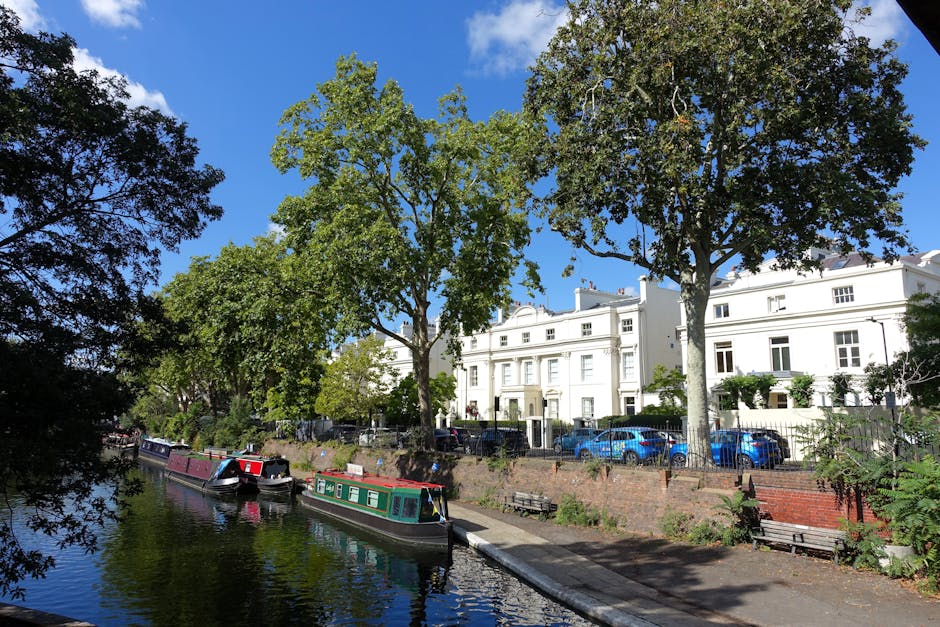
Gardeners serving Little Venice canalside terraces W2
Canalside terraces in Little Venice have a charm that is hard to fake. The light changes, the water reflects onto walls and railings, and even a small planting scheme can make a terrace feel quietly luxurious. But those same conditions can be demanding. Wind funnels through narrow spaces, pots dry out faster than people expect, and access can be awkward. That is where Gardeners serving Little Venice canalside terraces W2 come in: not just to keep things looking neat, but to help a terrace actually work as a living outdoor space.
If you are managing a compact courtyard, a narrow terrace, or a raised space overlooking the canal, you probably already know the basics. What is less obvious is how much difference the right maintenance rhythm makes. A good gardener can protect planting, reduce mess, manage seasonal change, and stop minor issues becoming expensive headaches. This guide explains what terrace gardening involves, what to expect, and how to choose the right approach for a property in W2. It is practical, local, and written with the realities of London life in mind. No fluff.
Why Gardeners serving Little Venice canalside terraces W2 Matters
Little Venice terraces are not like ordinary front gardens. The space is often tighter, the surfaces are harder, and the planting has to perform in a more exposed, more visible setting. A terrace can look immaculate from the right angle and still be quietly struggling underneath. That is the first reason specialist care matters.
Canalside conditions create a particular mix of challenges. You may get strong breezes that whip through the space even on a mild day. You may also have reflected light from water and neighbouring buildings, which can scorch foliage or dry out containers quicker than expected. Then there is the day-to-day practical side: leaves collect in corners, pot feet sink or wobble, drains clog, and overgrown climbers can creep into windows or railings before you notice. Truth be told, it adds up.
There is also the presentation side. In W2, many terraces are part of homes where outdoor space is as valuable as indoor space. A well-kept terrace does more than look pleasant. It supports the feel of the whole property, makes entertaining easier, and helps the outdoor area stay usable across more of the year. If you have ever opened the doors on a bright morning and been greeted by a patchy, dry, messy terrace, you will know the difference immediately.
For landlords, managing agents, and homeowners alike, regular maintenance is often less about glamour and more about consistency. Small, routine care prevents large problems. That is the quiet benefit. The boring bit, maybe. But the expensive bit avoided too.
A trusted provider with local experience can also help you decide when to keep things simple and when to upgrade. For example, a terrace may need just regular garden maintenance, or it may benefit from a larger reset through garden clearance before the planting can be properly brought back under control.
How Gardeners serving Little Venice canalside terraces W2 Works
Working on a canalside terrace is usually a blend of inspection, routine care, and small-space judgement. It is less about brute force and more about noticing what the space needs before it starts shouting for attention. A good gardener begins by looking at light, drainage, access, wind exposure, plant condition, and how the space is actually used.
From there, the service might include some or all of the following:
- pruning and shaping plants that are getting too broad for the terrace
- deadheading and tidying seasonal containers
- checking for drought stress and adjusting watering advice
- refreshing compost or top dressings in pots and planters
- removing moss, leaf litter, and slipped soil from paving
- cutting back climbers or hedging so they do not overwhelm the space
- spotting signs of pests, disease, or root-bound plants
- keeping pathways, steps, and decked areas safe and presentable
If the terrace includes a decked area, the work may overlap with surface care and structural considerations. In that case, services like decking services can be relevant, especially where boards are weathered, slippery, or poorly finished around planters.
Most jobs start with a site visit or a clear description of the terrace layout. Access matters more than people think. A planting job that looks straightforward on paper can become fiddly once you have to carry compost through a narrow stairwell or navigate around neighbours, railings, and furniture. Not a disaster, just real life in London.
For more substantial work, a gardener may suggest combining maintenance with broader services. For example, a terrace with tired boundaries or overgrown structure may need hedge trimming or even some light landscape gardening to improve shape, circulation, and usability.
Key Benefits and Practical Advantages
There is a very practical reason people keep coming back to regular garden care on terraces: it saves time, money, and a fair bit of stress. The benefits are not abstract. You see them every week.
- Better use of space: carefully maintained terraces feel larger, calmer, and easier to move through.
- Healthier planting: routine care catches stress early, before a plant declines beyond saving.
- Less mess indoors: fewer fallen leaves, less mud, and less soil dragged inside after rain.
- Improved privacy: neat climbers and managed screens can make a terrace feel more secluded.
- Longer season of use: well-chosen plants and tidy surfaces make the space pleasant in spring, summer, and into autumn.
- Reduced risk: slippery paving, loose pots, and unstable containers can all be addressed before they cause problems.
- Better first impression: if you are welcoming guests, tenants, or buyers, the terrace frames the whole property.
And there is a quieter benefit too. A well-kept terrace is easier to enjoy. That sounds obvious, but it is often the bit people forget. If the space is cluttered and the planting is unruly, you stop using it. Once the terrace becomes part of your everyday life again, it tends to pay you back in mood alone.
For many properties in W2, that matters just as much as visual appeal. A sunny terrace with a few well-kept pots can become a morning coffee spot. A narrow shaded space can still feel inviting if the structure is right. This is where the skill of a gardener shows up in the details.
Who This Is For and When It Makes Sense
Not every terrace needs the same level of care. Some spaces only need a seasonal tidy-up. Others need ongoing attention because the planting is established, the access is tight, or the surface layout makes maintenance more complex than it first appears.
This service is a strong fit for:
- homeowners with canalside terraces who want a tidy, liveable outdoor space
- landlords who need the property to present well between tenancies
- managing agents looking after multiple terrace homes in W2
- busy professionals who want the space maintained properly without weekend catch-up jobs
- older residents who prefer a steady, reliable maintenance schedule instead of doing heavy work themselves
- people with planted terraces where containers, climbers, and edging need more than occasional attention
It also makes sense after a period of neglect. Maybe you have just moved in. Maybe the previous owner loved plants but did not quite manage the maintenance. Maybe summer got away from you. Happens all the time. In those cases, a reset followed by routine care is usually the smartest route.
There are times when a one-off tidy is enough. There are other times when the terrace is telling you it needs a bigger rethink. If access is messy, waste has built up, or the planting has crossed from "lush" into "slightly feral", a proper clear-out may be the right first step. After that, routine care becomes much easier to keep on top of.
Step-by-Step Guidance
If you are arranging work for a Little Venice terrace, the process is usually straightforward when handled well. Here is a practical way to think about it.
- Assess the terrace honestly. Walk the space and note what is thriving, what is struggling, and what is simply in the way. Look at sun, shade, wind, drainage, and where water runs after rain.
- Decide what needs priority. A terrace with dry pots and overgrown climbers may need pruning and feeding. Another might need surface cleaning, waste removal, and a better planting layout first.
- Choose the right service mix. You may only need routine lawn mowing for a small shared patch, but a planting-heavy terrace usually benefits more from general upkeep and occasional reshaping than from turf-centric care. In many terraces, lawn care is actually the least relevant part.
- Plan access and timing. Think about where tools and waste will go, whether neighbours need to be informed, and whether a morning or midweek slot works best. Small access details matter more than people expect.
- Carry out the tidy-up. Clear debris, prune carefully, check pots and planters, and deal with any immediate hazards first. It is tempting to start with the fun part. Best not. Safety and structure first.
- Refresh and re-balance. Add compost, replace weak plants, and group containers so the space feels intentional rather than crowded.
- Set a maintenance rhythm. The best results come from regular visits, even if they are light-touch. A terrace left for three months in peak growing season can change a lot. Too much, in fact.
It helps to think in seasons rather than just dates. Spring is about recovery and growth. Summer is about watering, deadheading, and control. Autumn is about clearing, reducing stress, and preparing for wind and wet weather. Winter is not dead time; it is the moment to shape the space so it starts well in spring.
Expert Tips for Better Results
There are a few habits that make a big difference on canalside terraces. Small things, really, but they add up fast.
First, do not overcrowd pots. People often buy beautiful plants and then arrange them too tightly. A terrace can handle strong planting, but it still needs air movement and visual breathing space. Crowding also makes maintenance awkward, and watering becomes uneven.
Second, choose plants for exposure, not just appearance. A plant that looks gorgeous in the nursery can struggle badly in reflected heat or gusty canal conditions. Look for species that tolerate wind, occasional dryness, and container life. If a plant is always sulking, it is usually not "just having a phase".
Third, think about weight. Large ceramic pots, saturated compost, and wet weather can create a lot of weight on a terrace. That matters for movement, handling, and, in some properties, structural planning. Keep planting practical.
Fourth, avoid overwatering out of panic. This one catches people out. You hear a plant looks thirsty, so you water again. Then the roots stay too wet and the plant declines anyway. Check the compost before watering. A finger test is still one of the simplest tools going.
Fifth, keep a simple maintenance note. Not a big spreadsheet, unless you enjoy that sort of thing. Just a small record of when pots were fed, pruned, or replaced. It helps you see patterns and avoids repeating mistakes. Honestly, this saves more hassle than people expect.
For bigger transformations, it can help to combine routine care with design thinking. If a terrace needs better flow, improved structure, or more coherent planting, browsing landscaping options can be useful. The right structure makes maintenance easier for years, not just one season.
Common Mistakes to Avoid
Most terrace problems are not dramatic. They are just cumulative. A little neglect here, a bit of overenthusiasm there, and suddenly the space feels harder to manage than it should.
- Using the wrong plants for the site. Shade-tolerant plants in blazing reflective light can struggle; sun lovers in deep shade will also sulk.
- Letting climbers run wild. What starts as soft screening can become blocked windows, tangled railings, and frustrating access.
- Ignoring drainage. Standing water in pots or on surfaces is a warning sign, not an inconvenience to step around.
- Skipping seasonal cut-backs. A terrace can quickly become leggy and awkward if plants are never cut back properly.
- Choosing style over maintenance reality. If you love the look of a certain arrangement but cannot support it, the terrace will keep charging you in time and effort.
- Leaving waste "for later". Trimmed material left in bags or corners tends to become part of the problem. Then you have two jobs instead of one.
One of the most common missteps is assuming all outdoor space can be treated like a normal garden. In Little Venice, terraces often demand more precision and less brute force. You have to respect the space. It is compact, exposed, and usually visible from several angles at once.
Tools, Resources and Recommendations
The right tools make terrace work cleaner, safer, and more efficient. You do not need a van full of kit for everything, but you do need the basics done well.
Useful tools and materials often include:
- lightweight pruners and secateurs for fine trimming
- a hand fork for compost top-ups and root checks
- a narrow broom or soft brush for terrace paving
- watering cans or controlled irrigation for containers
- growing medium suitable for pots and planters
- slow-release feed where appropriate
- gloves with a good grip, especially for wet or rough surfaces
- waste bags or containers sized for easy removal
For property owners who want a broader service overview, services overview can be a sensible starting point, especially if the terrace needs several tasks handled in one visit. If you are comparing costs, the page on pricing and quotes is useful for understanding how jobs are usually framed and why some terraces cost more than others.
It is also worth looking at the provider's wider operating standards. Pages such as insurance and safety, health and safety policy, and recycling and sustainability can tell you a lot about how seriously a company treats site care, waste handling, and everyday professionalism.
That may sound dull, but in a terrace setting it matters. You are often dealing with shared access, fragile finishes, and limited space. Reliable methods are not a bonus. They are the job.
Law, Compliance, Standards, or Best Practice
For garden work in London, a careful approach is more useful than trying to overstate what rules apply in every case. Exact legal responsibilities depend on the property, the work being carried out, and who is responsible for the site. Still, some best practices are fairly consistent.
First, waste should be handled properly. Green waste, old compost, damaged pots, and general debris should be sorted and removed in a sensible way. If a terrace job generates significant waste, clear disposal planning matters. This is one reason many clients prefer services that include the option of clearance rather than assuming the tidy-up is the easy bit. It usually is not.
Second, safety should never be an afterthought. Narrow stairways, wet surfaces, moving tools, and awkward loading points all increase the chance of a mishap. A professional approach should include sensible manual handling, clear working methods, and consideration for occupants or neighbours using the same access routes. If you want to understand the provider's stance, a page like complaints procedure can also signal that the business has a structured way to deal with issues if they arise.
Third, privacy and property care matter. A terrace gardener working in Little Venice will often be operating in very visible surroundings. Respect for neighbours, tidiness during the visit, and careful handling of access routes are part of good practice, even if nobody puts that in a formal checklist. A little common sense goes a long way.
Finally, it is reasonable to ask about the company's insurance, working methods, and approach to risk. That is not being difficult. That is being sensible. In a compact terrace environment, a small mistake can have outsized consequences.
Options, Methods, or Comparison Table
Not every terrace needs the same kind of service. Some only need routine upkeep. Others need a structured reset first. Here is a simple comparison to help you decide what fits best.
| Approach | Best for | What it usually includes | Typical outcome |
|---|---|---|---|
| Routine maintenance | Tidy terraces with established planting | Pruning, deadheading, light cleaning, watering checks | Steady, manageable outdoor space |
| Clearance then maintenance | Overgrown or neglected terraces | Waste removal, cutting back, pruning, reset of planting | A clean starting point for future care |
| Design-led landscaping | Terraces needing improved layout or structure | Rearranging planters, improving flow, updating hardscape elements | Better usability and easier upkeep |
| Combined surface and planting care | Terraces with decked or paved areas | Surface tidying, plant care, edge cleaning, safety checks | A more polished and safer finish |
If you are unsure which route to take, ask a simple question: do you need the terrace to look better for a week, or function better for the next year? The answer usually points to the right approach.
Case Study or Real-World Example
A typical Little Venice terrace might start the year looking almost fine at a glance. Pots are in place, the climber is leafy, and the surface is only lightly messy. Then spring growth arrives. A few weeks later, the climber is leaning into the walkway, the planters are drying out on one side but staying wet on the other, and the paving has a fine film of debris that seems harmless until the first damp morning.
In a real-world situation like that, the work usually begins with a calm reset. Trim back the climber just enough to restore shape. Remove dead material. Check the pots for root crowding. Rework the arrangement so the strongest plants are not shading out everything else. Clean the terrace surface properly rather than just brushing the dirt into the corners. Then set a maintenance rhythm that fits the season.
The result is not dramatic in a flashy sense. It is better than that. The terrace starts to feel easy again. Doors open without snagging on growth. Watering makes sense. You stop dreading the sight of the space after rain. That kind of improvement is what good garden care should deliver, and it is often the difference between a terrace you admire and one you actually use.
That same principle applies whether the space needs a small intervention or a bigger transformation. If a terrace has become cluttered with old containers, tired planting, and leftover debris, a clear-out first can make every later decision simpler. A tidy foundation is underrated. Quite a lot, actually.
Practical Checklist
Use this checklist before booking or briefing a gardener for a canalside terrace in W2:
- Confirm whether the space is mainly planting, mainly hard landscaping, or a mix of both.
- Note sun, shade, wind, and any areas that dry out faster than the rest.
- Identify access points, narrow steps, or awkward carry routes for tools and waste.
- List any plants that must be preserved, moved, or treated with extra care.
- Decide whether you need routine care, a clearance, or a larger redesign.
- Check whether decking, paving, or railings need surface attention too.
- Set expectations for waste removal and clean-up at the end of the visit.
- Ask how seasonal changes will be managed, especially in summer and autumn.
- Review safety and insurance information before work starts.
- Make sure the maintenance plan is realistic for the time you actually have.
Expert summary: the most successful terraces in Little Venice are rarely the most elaborate. They are the ones with the right structure, the right maintenance rhythm, and the right balance between beauty and practicality. Keep that balance in mind and the space becomes much easier to live with.
Conclusion
Gardeners serving Little Venice canalside terraces W2 are doing more than routine tidy-ups. They are helping make compact outdoor spaces healthier, safer, and far more usable in a part of London where every square metre matters. The best results come from understanding the terrace as a living system, not just a decorative edge to the property.
Whether your space needs a reset, a maintenance plan, or a more thoughtful layout, the key is consistency. Small, regular care beats last-minute rescue jobs nearly every time. And on a canalside terrace, that difference is easy to feel. The space gets lighter. Easier. Calmer.
Get a free quote today and see how much you can save.
And if you are still weighing up the next step, start with the simplest question: what would make your terrace genuinely easier to enjoy this month? That answer usually points you in the right direction.
Frequently Asked Questions
What do gardeners serving Little Venice canalside terraces W2 usually handle?
They typically manage terrace planting, pruning, pot care, tidying, surface cleanup, and seasonal maintenance. On some sites, they also help with small-scale clearance or layout improvements.
How often should a canalside terrace be maintained?
It depends on the size of the terrace, the planting, and the season. In active growing periods, more frequent visits are often sensible. A light monthly rhythm may be enough for some spaces, while others need closer attention.
Why are canalside terraces harder to maintain than ordinary gardens?
Wind, reflected light, tighter access, and limited planting space all make them more demanding. Terraces also tend to show mess quickly, so small problems become visible fast.
Can terrace gardeners help if the space is overgrown and messy?
Yes. In many cases, the first step is a proper clear-out followed by selective pruning and a maintenance plan. Once the space is back under control, ongoing care becomes much easier.
Do I need landscaping or just regular garden maintenance?
If the terrace already has a good layout and mainly needs upkeep, regular maintenance may be enough. If the space feels awkward, cramped, or badly arranged, some landscaping or design-led work may be worth considering.
What should I look for in a gardener for a W2 terrace?
Look for practical experience with small spaces, sensible working methods, clear communication, and proper attention to access, waste, and safety. A terrace gardener should understand that compact spaces need careful handling.
Is decking care part of terrace gardening?
It can be. If the terrace has decked areas, those surfaces may need cleaning, maintenance, or occasional repair support. Decking often changes how the whole space needs to be managed.
What if my terrace gets very dry in summer?
That is common on exposed terraces. The solution is usually better plant selection, improved watering habits, and mulching or compost management where appropriate. Pots can dry quickly, so checking them properly matters.
Can gardeners remove green waste and old plants?
Usually yes, depending on the service agreed. It is wise to confirm waste handling before the job starts, especially if the terrace needs a bigger reset or a lot of material removal.
Are there safety issues with terrace gardening in London?
There can be. Narrow access, wet surfaces, lifting heavy pots, and working near railings all call for care. A professional approach should include sensible safety habits and, where relevant, proper insurance.
How do I prepare my terrace before a gardener visits?
Move fragile items if you can, note any problem plants, and make access routes as clear as possible. If there are specific concerns, mention them early. That saves time and avoids awkward surprises.
What is the best first step if my terrace has been neglected?
Start with an honest assessment of what needs clearing, what can be saved, and what should be replaced. In many cases, a clearance followed by routine maintenance gives the cleanest long-term result.
If you want dependable support for a terrace that needs careful, practical attention, choosing the right team makes all the difference. Little spaces deserve proper care, not rushed patch jobs. And to be fair, once a terrace is working well again, you notice it every time you step outside.