Garden Maintenance Paddington — Recycling & Sustainability
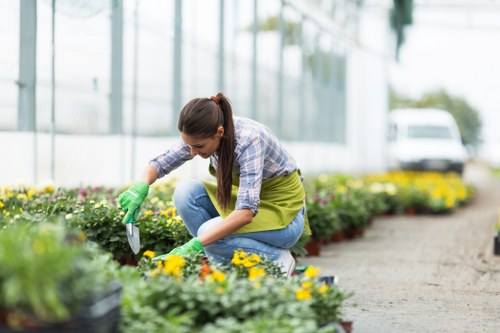 Garden Maintenance Paddington takes an active role in creating an eco-friendly waste disposal area and a sustainable rubbish gardening area for properties across the neighbourhood. Our approach to sustainable garden upkeep in Paddington focuses on reducing landfill, encouraging material reuse, and integrating low-carbon operations into every job. We combine practical green waste handling with community partnerships to make responsible garden maintenance in Paddington the standard rather than the exception.
As part of our core services we set a clear recycling percentage target: we aim to recycle 75% of all garden-related waste by 2029, with incremental year-on-year improvements. This target covers green waste, wood, soil, plastic planters and metal fittings that are separated and routed to appropriate facilities. Our Paddington gardening services prioritise composting and soil regeneration to keep nutrient cycles local and reduce the need for synthetic inputs.
How we organise eco-friendly disposal and sorting
We follow borough waste separation guidance—mirroring the Westminster and neighbouring boroughs' approaches—by separating organic waste, paper/cardboard, glass, mixed recycling and non-recyclable residues at source. That means gardens are assessed on-site, containers are labelled, and materials are segregated before transport to ensure the maximum recovery rate. Paddington garden maintenance teams are trained to spot reusable items and divert them from residual waste.Local transfer stations and practical routing
We work with local transfer stations across Westminster and nearby borough depots to ensure collected materials are processed correctly. Typical transfer points we use include borough civic amenity sites and municipal transfer depots in Westminster and Kensington & Chelsea, where green waste is directed to composting or anaerobic digestion and recyclable plastics, metals, and glass are separated for reprocessing. Routing to the correct local transfer station reduces haulage distances and lowers our carbon footprint.Our sustainable rubbish gardening area strategy also means keeping materials close to their point of origin: soil and mulch are reused on local sites where possible, woody cuttings are chipped into mulch for community beds, and broken pots are separated into inert aggregates. This circular approach complements the Paddington garden maintenance ethos of minimising external inputs and maximising local reuse.
 We maintain transparent tracking of waste flows so clients know what proportion of material is diverted from landfill. Records support our ambition to meet and exceed the recycling percentage target and help us report progress to community groups and local authorities. Strong monitoring helps us identify opportunities to improve route efficiency and recycling yields.
Partnerships with charities and community reuse networks are central to our model. We collaborate with local community gardens, plant-swap initiatives, and reuse charities to pass on viable plants, soil, compost and gently used garden furniture. Our partnerships ensure that items which still have life are not needlessly processed as waste but instead support community greening projects across Paddington and nearby wards.
Examples of activity include:
- Working with community allotments to return screened compost and mulch.
- Donating reusable pots and planters to local reuse charities and community gardens.
- Coordinating with neighbourhood organisations to redistribute surplus plants.
 We avoid topics like one-off disposal guides in favour of hands-on collaboration: our teams actively coordinate pickups, deliver reusable aggregates, and host drop-off points for materials that can be given a second life. These partnerships reinforce a practical circular economy around garden waste in the area.
 To minimise operational emissions we deploy a fleet of low-carbon vans and cargo bikes for short journeys. Our vehicles increasingly consist of electric vans and plug-in hybrids, supported by route planning software that reduces mileage and idle time. For larger transfers we use low-emission suppliers and only work with transfer stations that prioritise low-carbon handling and processing.
Our sustainability commitments include: annual reporting on recycling rates, continuous staff training in waste separation, and investment in low-emission transport. By combining a clear recycling percentage target with practical local partnerships and a modern, low-carbon fleet, our garden maintenance in Paddington delivers measurable environmental benefits while keeping private and communal green spaces vibrant.
In summary, Paddington gardening services from Garden Maintenance Paddington are built around practical, verifiable sustainability: a target-driven recycling programme, collaboration with local transfer stations and charities, and a low-carbon operational model that protects neighbourhood air quality and soil health. Our emphasis on an eco-friendly waste disposal area and a resilient sustainable rubbish gardening area means clients receive beautiful, well-kept gardens that also respect local environmental priorities and borough waste separation systems.